The short answer
A brand stagnates when it keeps its current buyers but stops winning new ones. Its positive associations fade, negative ones build up, and it stops introducing itself to new generations. Rebrands, new campaign ideas and deeper discounts rarely fix it, because they don’t change what the brand means in buyers’ minds. Revitalization starts with a map of those associations. Keep the positive ones, stop the negative ones, add new ones that build on the brand’s existing assets, and aim the work at the buyers you need to win. Big brands can come back quickly, because they have so many memories to build on.
What stagnation looks like
- Sales are flat or slipping a little each year, with no single cause anyone can point to.
- The core buyers still buy, but there are fewer of them, and they are getting older.
- Awareness and tracker scores look healthy. See brand scores flat, sales falling.
- Each new campaign lifts sales for a while, then sales settle back.
- The team debates a rebrand, a new logo or a new target audience.
Why mature brands stall
A brand is the network of memories and associations it holds in people’s minds. A mature brand has a large network, built over decades. It stalls when that network stops growing: the positive memories aren’t refreshed, negative ones creep in, and new buyers never build the memories that older buyers have.
A second, quieter cause is drift. Years of different campaigns, sub-brands and messages leave the brand meaning different things to different people.
“When a brand starts meaning different things to different people, it stops being a brand.”
Revitalize, don’t reinvent
The instinct with a tired brand is to start over: new name, new look, new story. That throws away the brand’s biggest asset, the memories people already have. Mature and legacy brands have the power to become disruptors, and they do it faster by building on what is already there.
“Stop constantly changing your brand assets. The key to driving organic growth is to piggyback new positive associations on to the brand assets you already have.”
Vans is a public example. Leslie Zane describes a brand in decline that came back with young buyers by reconnecting to what it had always meant: skateboarding, being alternative and edgy, and designs you could express yourself with.
A brand revitalization plan
1. Map the brand in memory
Map the associations tied to your brand among your core buyers and your growth target, the buyers you need to win, and do the same for the brands they choose instead. The map shows what still pulls buyers in, what pushes them away and what is missing. We build it in the first twelve weeks.
2. Decide what to keep, stop and add
- Keep the positive associations the brand still owns, and feed them.
- Stop the negative ones, and the cues and messages that reinforce them.
- Add new positive associations, attached to the brand’s existing assets so they take hold fast.
3. Put the triggers everywhere
Turn the plan into visual and verbal cues and use them across the pack, the shelf, the ads, the site and the sales conversation. Your teams and agencies do the work. See our approach.
4. Aim at new buyers
A revitalization that only re-energizes the core doesn’t restart growth. Measure whether you are winning buyers from other brands. See falling household penetration.
Big brands come back faster than you think
“The good news is that especially these big brands, because they have a large physical footprint in the brain to begin with, they actually bounce back extremely quickly if you feed them the right nutrients.”
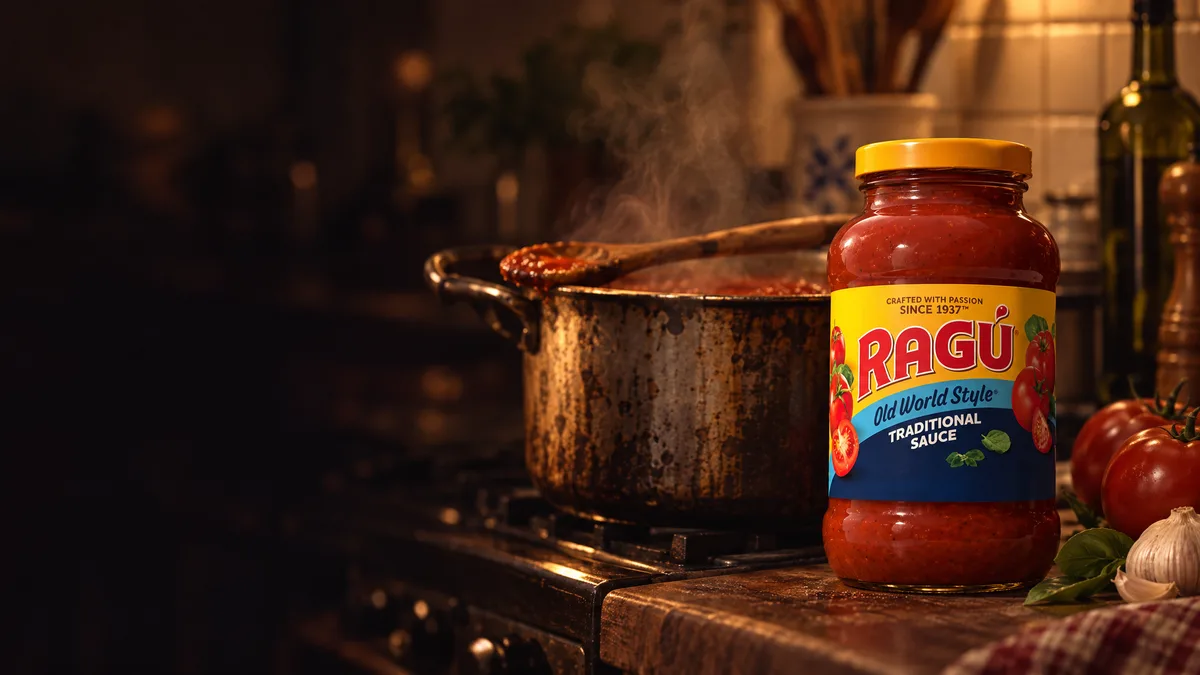
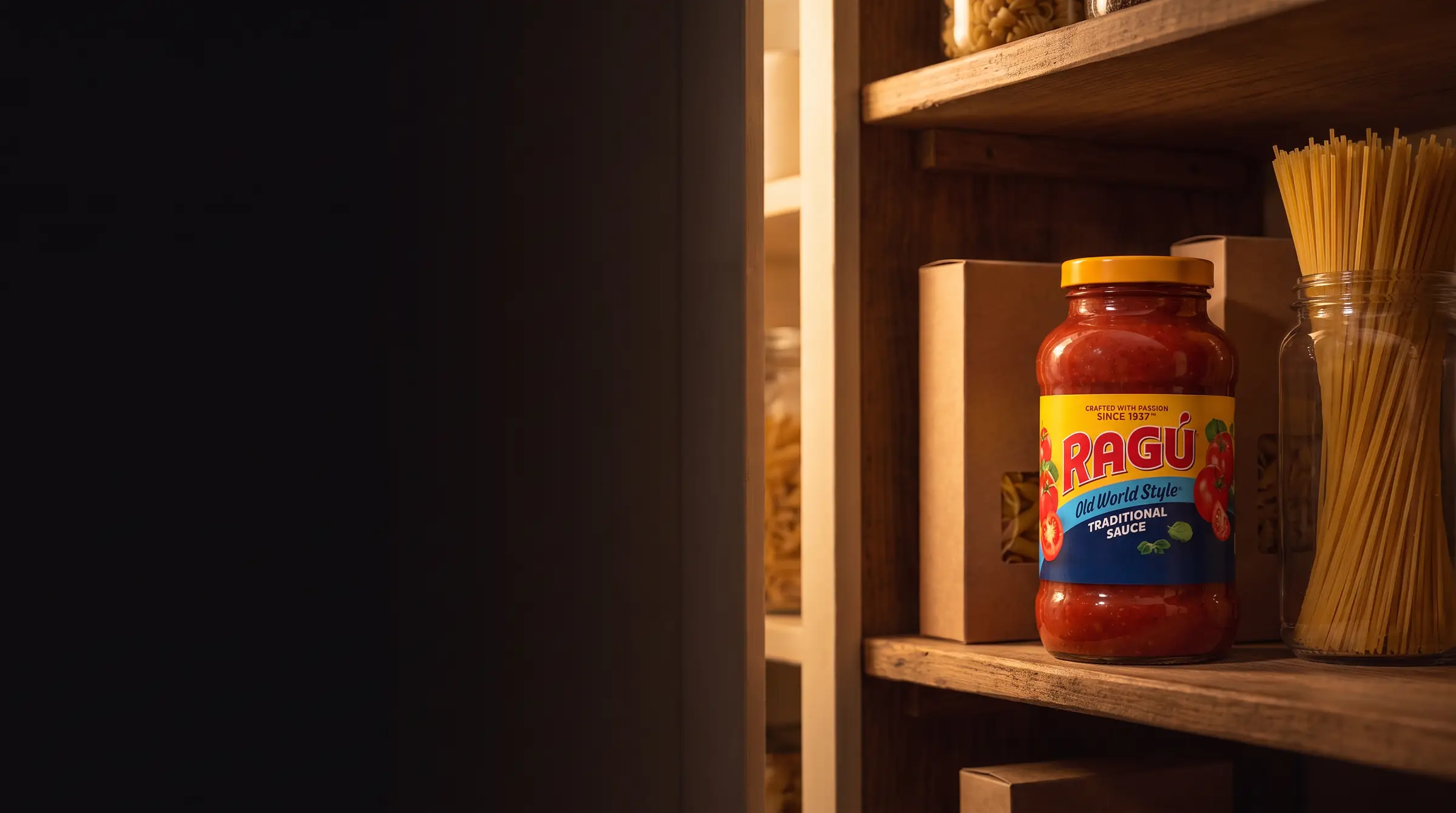
Our work with Ragú, turning around a legacy brand, is on our results page. For the wider picture, see when a brand stops growing.